
The future of fashion isn’t about better tools. It’s about tools that work together.
Fashion is going digital—fast. But without open standards, it’s not scaling. Instead, the industry is becoming more fragmented and inefficient.
Right now, the biggest blocker to innovation in fashion isn’t creativity.
It’s infrastructure.
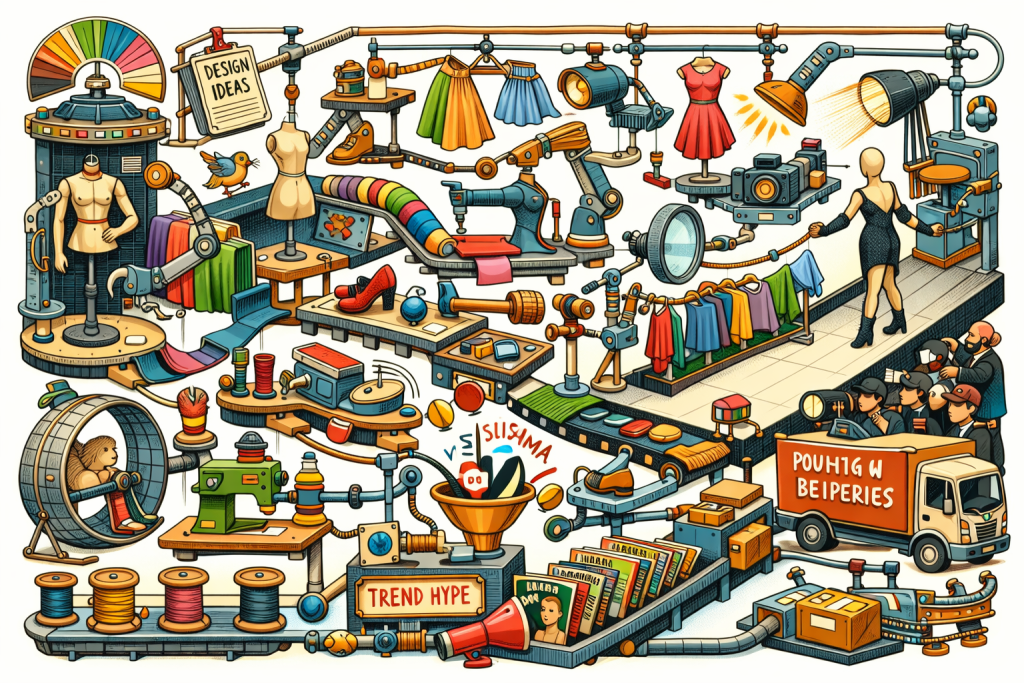
The Technology:
New fashion technologies can spark creativity but they often require lengthy training. Learning one tool is tough—using several together that don’t interoperate is exponentially harder, with challenges like different file types and tech issues. The real goal should be technology that helps teams solve problems, not create new ones.
The Problem: A Fragmented Fashion Tech Ecosystem
Fashion technology is evolving rapidly:
- 3D body scanning
- Digital garment design
- Virtual fashion and gaming assets
- On-demand manufacturing
But these systems don’t work together. They don’t share data. They don’t integrate cleanly. And they force designers into disconnected workflows.
The result?
- Slower product development
- Manual workarounds
- Higher costs
- Limited scalability
There’s no question that technology is reshaping how we design, produce, and experience clothing. But there’s a hard barrier to advancement: without digital fashion interoperability, innovation stalls.
Why Open Standards in Fashion Matter
Every major digital industry scaled the same way:
- The internet → shared protocols
- Manufacturing → codified CAD/CAM standards
- Media → non-proprietary file formats
Fashion is next.
Open standards unlock:
- Seamless data exchange between tools
- Vendor-agnostic workflows
- Scalable digital pipelines
- Faster product innovation
No standards = no scale. It’s that simple.
What Interoperability Looks Like in Apparel Design
Keywords: apparel design software interoperability, parametric pattern design
Modern fashion workflows require flexibility.
That means tools need to connect across:
- Design
- Body data
- Pattern making
- Manufacturing
With interoperable systems, you can:
- Use parametric pattern design for instant resizing
- Integrate 3D body scans directly into workflows
- Move data cleanly from design to production
This is how you build a true digital garment pipeline.
The standards for DXF-ASTM e-Patterns, CNC cutting files, 3D body scanning data, 3D design exchange, and manufacturing information must evolve to match today’s digital advancements. Data should move effortlessly between systems, enabling everything to work together smoothly—so designers and manufacturers can focus on creating, not troubleshooting
From Scan to Pattern: A New Workflow Standard
One of the most important innovations is the scan-to-pattern workflow:
- Capture body data via 3D scanning
- Convert it into accurate pattern inputs
- Generate made-to-measure garments automatically
This enables:
- Better fit
- Lower return rates
- Faster production cycles
And most importantly—it only works at scale with standardized data.
Open Standards Enable Inclusive and Sustainable Fashion
Legacy sizing systems don’t just fail technically—they fail people.
They:
- Exclude real body diversity
- Increase return rates
- Drive overproduction and waste
With interoperable, data-driven systems:
- Designers can build for more body types
- Brands reduce returns and inventory waste
- Production becomes more efficient
This is where sustainability and inclusion become a technology problem—and a solvable one.
The Future: A Connected Digital Fashion Infrastructure
The next phase of fashion is already taking shape:
- Physical + digital (“phygital”) products
- E-commerce + gaming + virtual worlds
- Fully connected design-to-production pipelines
But none of this works without shared infrastructure.
Open standards make possible:
- A true digital thread from concept to consumer
- Cross-platform digital garments
- New markets for virtual goods
- Broader access for independent designers
This is how fashion scales in the digital era.
A Call to Build the Standard
No single company can solve this alone.
Standards must be:
- Open
- Collaborative
- Widely adopted
Designers, developers, manufacturers, and platforms all need to participate.
Because the future of fashion isn’t about better tools.
It’s about tools that work together.
Build With Us
At Seamly, we know the real barrier to fashion innovation isn’t creativity—it’s disconnected systems and closed-off workflows. Proprietary formats and isolated tools slow progress for everyone.
Are you involved in:
- Digital fashion
- Apparel design technology
- Manufacturing innovation
- Virtual or physical products
Now is the time to come together around open standards. The future of fashion won’t be built in isolation—it will be built on shared, open infrastructure.
As chair of the ASTM D13.66 Sewn Production Automation committee, I invite you to help define what true interoperability looks like in our industry. Whether you develop code, design patterns, or illustrate fashion, your expertise and perspective are needed. Designers, manufacturers, brands, consumers, and students—all voices matter.
Join us in building open standards that will shape a more connected, innovative fashion industry. Reach out to learn how you can get involved and make a difference.
Let’s Connect
GET INVOLVED
What Are Open Standards in Fashion?
Open standards in fashion are shared frameworks that allow different tools, platforms, and systems to work together seamlessly. They enable interoperability across design, production, and digital environments—making it easier to scale innovation.
The standards that define the DXF-ASTM e-Pattern format, the files sent to CNC cutting machines, and others need to be updated to reflect today’s technology. Join ASTM D13.66 Sewn Product Automation to open the doors to better outcomes for the apparel industry.
About the Author
As a systems analyst, I bridge complex technology and real-world needs, applying systems thinking to modernize fashion workflows and standards. Now, as chair of ASTM International’s D13.66 Sewn Product Automation subcommittee, I’m dedicated to uniting the fashion world—driving innovation, reducing risk, and opening new opportunities for all.